
Secure and Flexible Network Infrastructure With NexCon.io’s Private APN

Kenn Hansen
October 9, 2025
By using our private APN (also called dedicated APN), NexCon.io customers gain several advantages, including improved management of IoT SIMs and enhanced security.
In this article I will go through what a private APN is, the possibilities it enables such as real-time reporting, and its impact on security. We conclude with best practices for securing IoT connectivity, both for public APN users and those using our private APN.
Public APN vs. Private APN
An APN (Access Point Name) is a setting on devices that allows them to connect to the internet via a mobile network. It defines which part of the network the device connects to, which security rules apply, and how traffic is routed to the server or platform where data is used. In short, an APN ensures that IoT devices can communicate reliably and in a controlled manner through the mobile operator’s infrastructure.
Most connected devices on the internet (especially mobile phones) use the “public internet.” A public APN is the standard gateway to the mobile network and is shared by many users. Traffic passes through the operator’s shared internet access, and devices are usually assigned dynamic IP addresses. This setup is convenient because it requires little configuration, but it also means limited control over security and network access.
A private APN, on the other hand, is reserved for a specific organization or solution. Traffic is separated from the public internet and can be tightly controlled. With features such as access control, IP filtering, network segmentation and custom firewall rules, a private APN offers a higher level of security. Only authorized devices are allowed to connect, and all company traffic remains isolated.
Isolated traffic with encryption, private IP addresses and advanced control
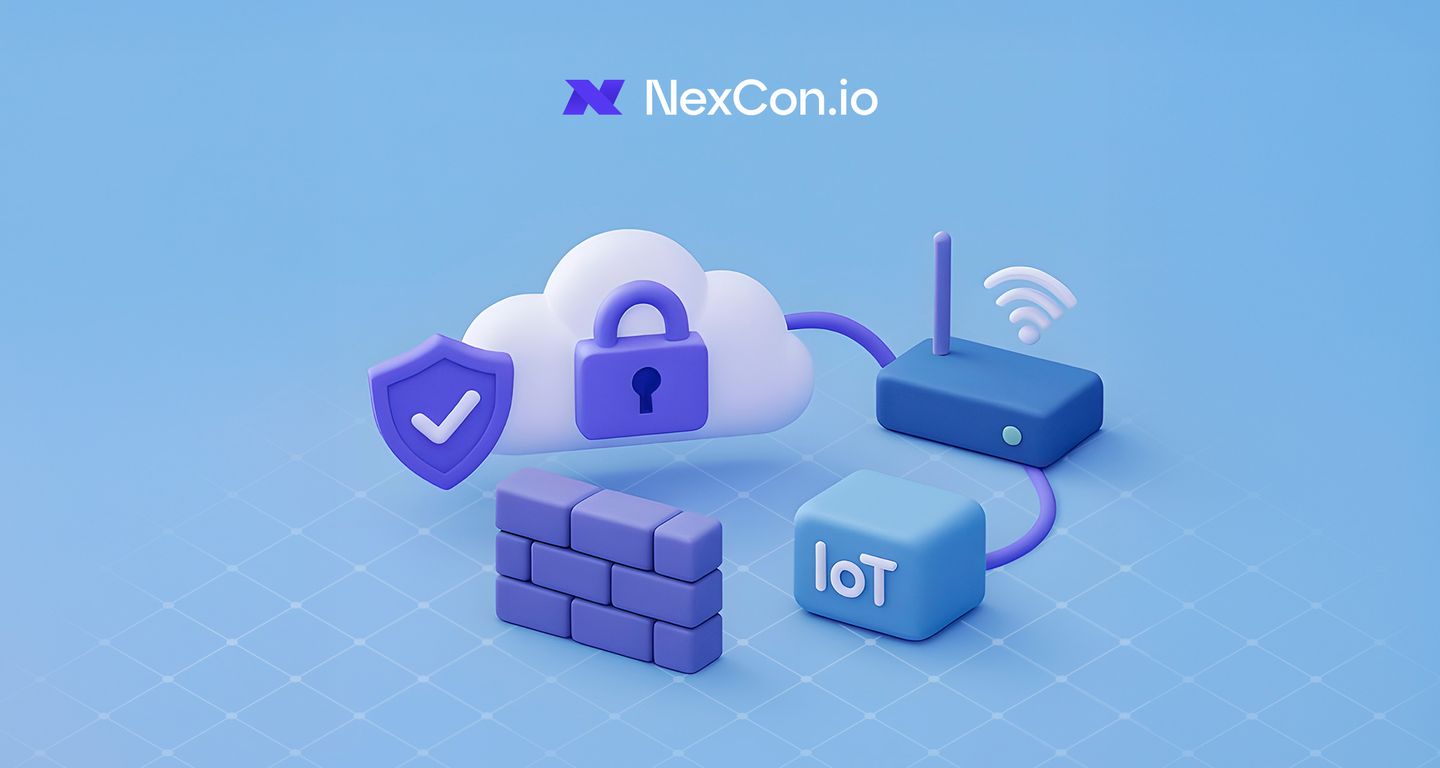
A private APN creates a secure, isolated environment where all data is transmitted outside of the public internet. Traffic can be encrypted to prevent interception or eavesdropping, which is especially important since many IoT devices lack advanced encryption support on their own.
By assigning private IP addresses, devices are not directly exposed to the internet, and the company can define exactly which systems and services they may communicate with. Additional security layers such as VPN connections, custom firewall rules and network segmentation can be added, creating a strong barrier against unauthorized access to sensitive systems and data.
Real-time reporting on data usage and device location
Beyond security, a private APN also provides real-time insight into usage with updates every two minutes. This allows you to monitor data consumption across devices, detect anomalies and act proactively against overuse, misuse, or operational issues. Real-time data can also be used to trigger automated alerts or actions, such as immediately disabling a device that exceeds a predefined usage threshold.
In addition, our new APN makes it possible to view location and operator details for your SIMs, based on the cell tower to which they are connected. Please note that while this data is available, it is not yet supported in the NexCon.io dashboard.
Best practices for IoT security
Even with a private APN, security is only as strong as the weakest link. If an IoT device is compromised, it can be exploited as a way into the network. For this reason, the APN should always be supplemented with additional layers of protection.
One common risk is the SIM card itself. If a SIM is stolen or moved to another device, it may be misused for unauthorized access. IMEI locking prevents this by binding the SIM to a single device, greatly reducing the risk of exploitation.
When it comes to encryption, there is often debate about whether the APN alone is sufficient. My clear recommendation is to think in layers: Use private APNs to isolate traffic, IMEI locking to limit abuse, and supplement with encryption – either via TLS at the application layer or via VPN tunnel at the network layer.
The VPN should be established as early as possible in the data pipeline, either from the device itself or from the operator’s APN gateway, and terminated at your backend. This ensures that sensitive data cannot be read or altered en route from the IoT devices to the systems behind them. This way, you are better equipped to deal with both known and unforeseen threats.
Global IoT platform
NexCon.io’s IoT solutions are designed to help companies maximize the value of their IoT infrastructure. Our secure, scalable platform supports everything from small deployments to large-scale global rollouts, no matter where your devices are located.
At NexCon.io we recognize the importance of connectivity solutions that are both innovative and reliable. Customers can purchase IoT SIMs directly through our webshop and manage them easily in the dashboard, with advanced features such as data pooling, bulk editing, and IMEI locking.
Create your free account today or contact our sales team at hi@nexcon.io.